
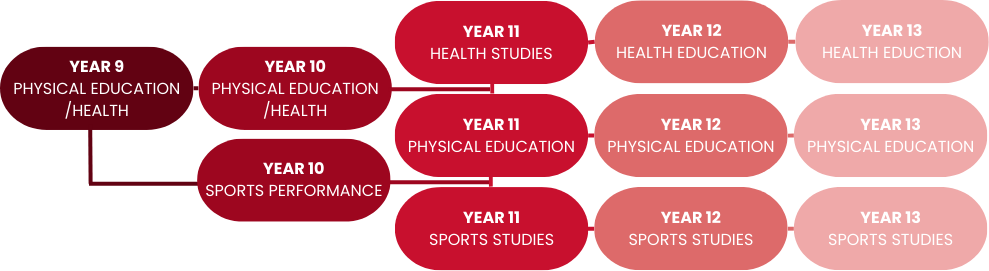
Physical Education, Health Education, Sports Studies & Year 10 Sports Performance
In Physical Education and Health, ākonga develop their social, emotional, intellectual, physical, and cultural capabilities. These capabilities support students’ understanding of tikanga within movement contexts, their engagement in inclusive and meaningful physical activity, and their recognition of the wider benefits of movement for hauora (wellbeing).
Kotahitanga (unity) is a key concept within our learning programmes, enabling ākonga to build positive relationships in a safe, supportive environment. Students learn how and why strong interpersonal skills are essential for teamwork, leadership, and participation across physical activity, sport, and everyday life.
Across all courses, we adapt how we assess learning through modern technologies and flexible assessment approaches. This allows students to demonstrate their learning in accessible, meaningful ways and ensures assessment practices cater for a range of learning styles, strengths, and needs.
Junior Physical Education & Year 10 Sports Performance (Years 9–10)
Junior Physical Education emphasises skill development, fostering positive attitudes, and promoting enjoyment through a diverse range of physical activities. Ākonga enhance their motor skills, confidence, and understanding of movement while building social, emotional, and cultural capabilities.
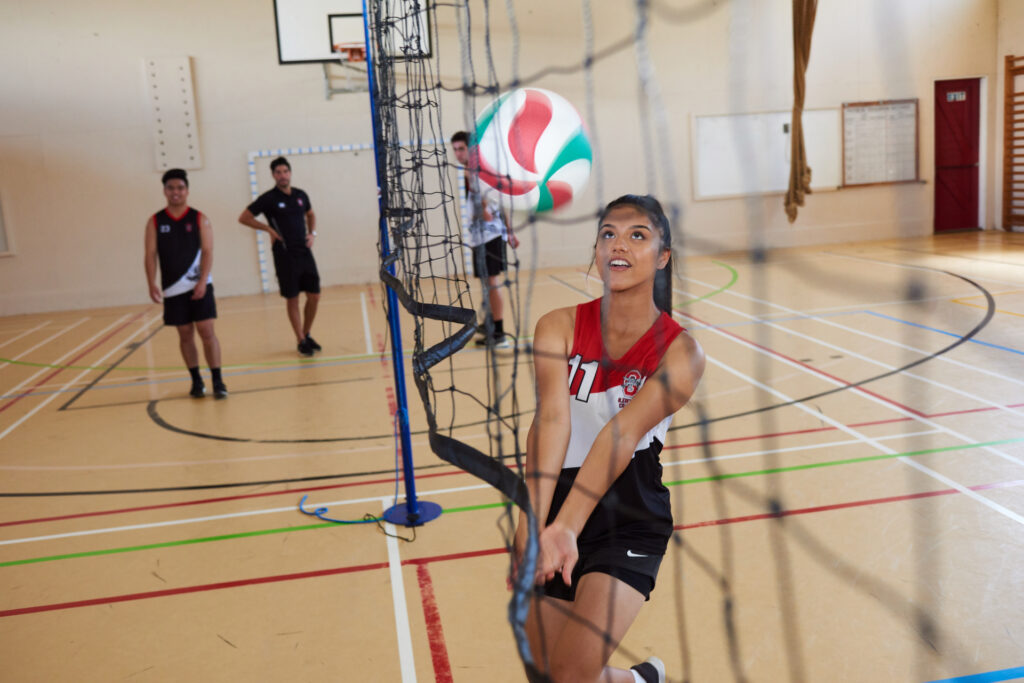
Year 10 Sports Performance is an option subject that provides students with the opportunity to develop further sport-specific skills, game understanding, fitness, and performance analysis. Students explore training principles, teamwork, goal setting, and reflection to improve individual and team performance, while also developing leadership, resilience, and self-management skills.
Junior Health Education (Years 9–10)
In Junior Health Education, students explore how their actions influence hauora and develop strategies to manage challenges that impact health and wellbeing. Learning is structured around key areas, including relationships, effective decision-making, nutrition, drug education, resilience, change, sexuality, and mental health. The five dimensions of hauora are embedded across all learning experiences.
Senior Physical Education (Years 11–13)
Senior Physical Education offers a variety of learning opportunities through movement-based contexts. Students explore biophysical knowledge, including functional anatomy, biomechanics, and exercise physiology, while also examining sociocultural factors such as kotahitanga (unity) and whanaungatanga (relationships) to strengthen interpersonal and leadership skills across a range of settings.
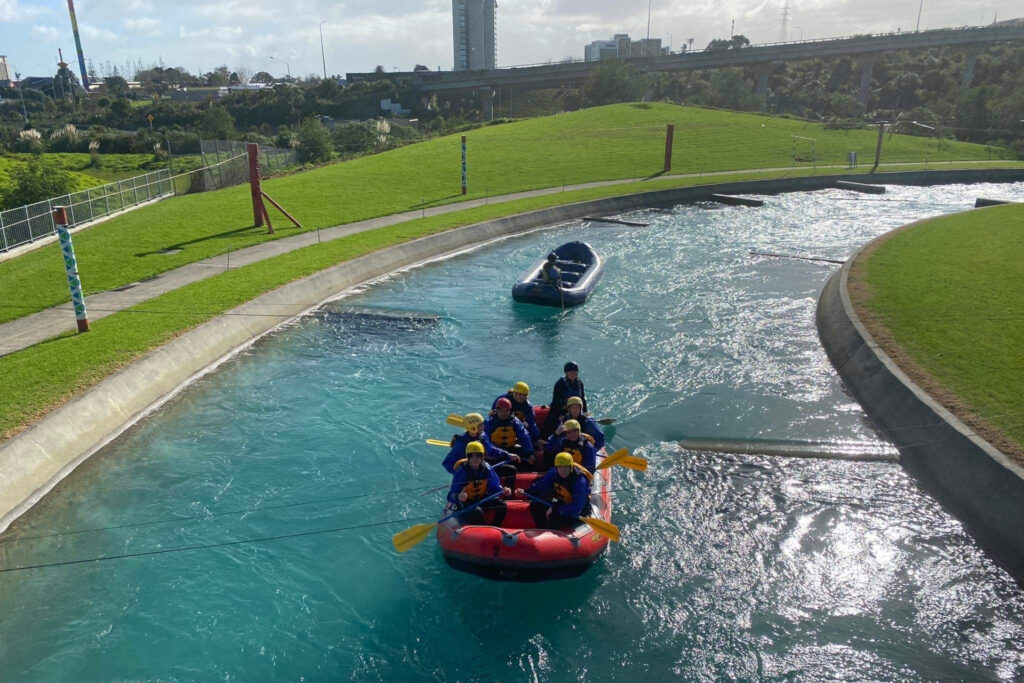
Students participate in outdoor education experiences (camp) at each year level. Learning experiences may include visits to Wero Whitewater Park, Tree Adventures, and Paintball, supporting learning in risk management, teamwork, and decision-making. Students also have opportunities to participate in events such as the Tough Guy & Tough Gal mud run, which provide challenges that encourage them to step outside their comfort zone. These experiences promote leadership, resilience, and a deeper understanding of physical and mental capabilities.
Level 3 Physical Education is a University-approved subject, providing strong pathways into tertiary study and careers in education, physiotherapy, coaching, nutritionist and sports-related fields.
Senior Health Education (Years 11–13)
Senior Health Education offers a range of learning opportunities that support students to develop a deep understanding of health and wellbeing at personal, community, national, and global levels. Students explore concepts such as health promotion, goal setting, and effective strategies to enhance hauora, while examining the personal, interpersonal, and societal influences that impact health outcomes.
Learning experiences encourage students to critically examine attitudes, values, and beliefs, and to investigate national and international health issues using research, inquiry, and evidence-based approaches. Through this process, students develop critical thinking, decision-making, and research skills, enabling them to analyse health issues, propose informed actions, and reflect on the effectiveness of health promotion initiatives.
Level 3 Health Education is a University-approved subject that provides strong pathways into tertiary study and careers in health, social services, education, and community wellbeing.
Senior Sports Studies (Years 11–13)
Sports Studies offers students the chance to explore sport from a broader perspective, including participation, coaching, leadership, officiating, and the social impact of sport. Students develop practical and theoretical knowledge that supports lifelong engagement in physical activity and provides pathways into coaching, fitness, and sport-related careers.
You must be logged in to post a comment.